What Is Orthostatic Hypotension?
Always consult a licensed medical professional about your health.
The short answer: orthostatic hypotension is a drop in blood pressure when you stand up. MedlinePlus defines it as a fall of at least 20 mm Hg systolic or 10 mm Hg diastolic within 3 minutes of standing. It’s also called postural hypotension. Many people have no symptoms; others feel dizzy or light-headed, and some faint.
What it means
“Orthostasis” means standing up. When you stand, gravity pulls blood down towards your legs, so for a moment there’s less blood in the upper body for the heart to pump. MedlinePlus explains that the body normally corrects this within seconds, so most people never notice.
In orthostatic hypotension, the body has trouble steadying the pressure, so the drop lasts longer, appearing within minutes of standing up.
How it’s defined in numbers
MedlinePlus gives the measurement definition as a fall in blood pressure of:
- at least 20 mm Hg in the top number (systolic), or
- at least 10 mm Hg in the bottom number (diastolic),
- within 3 minutes of standing up.
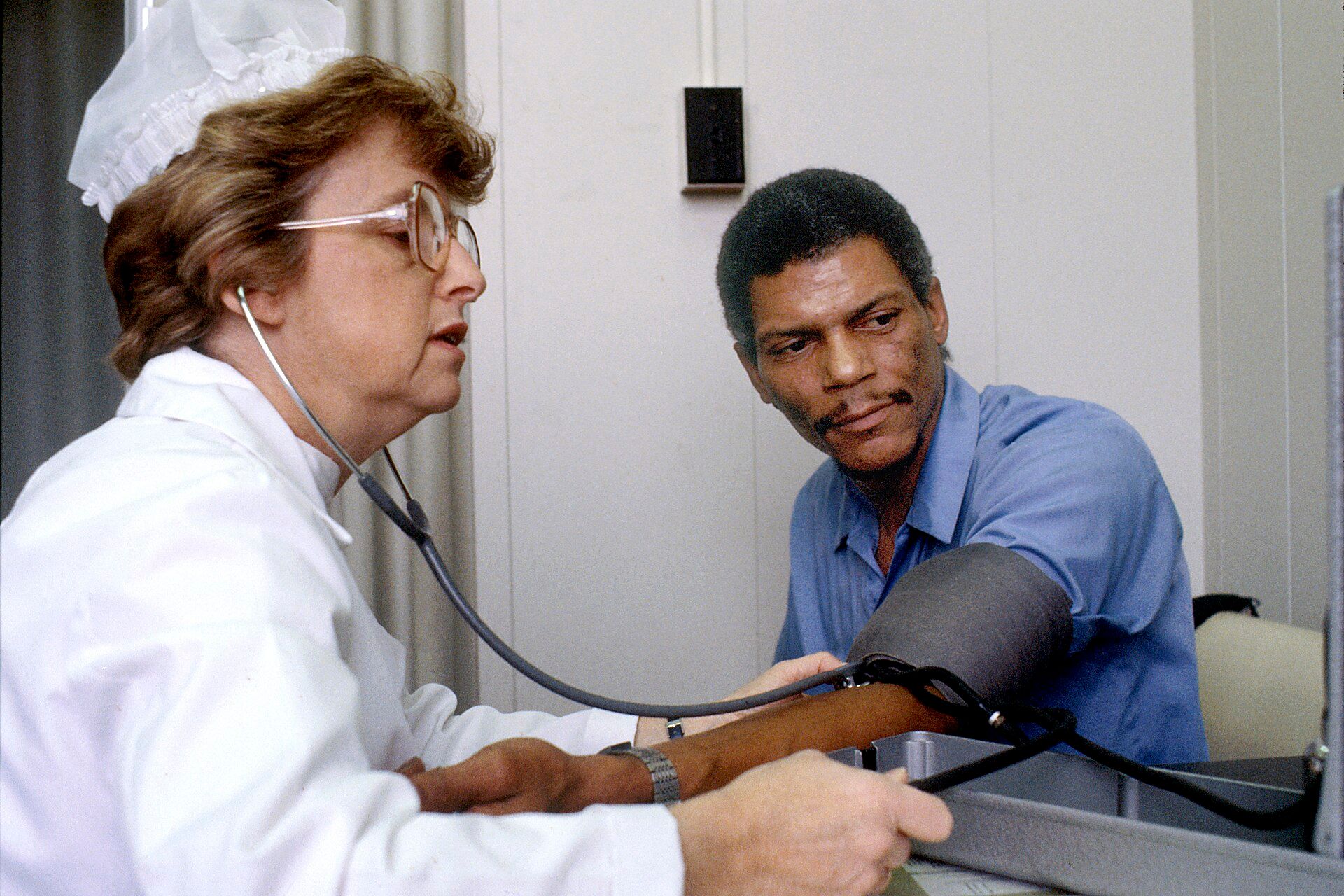
Checking this is a job for your doctor, who will usually take readings lying down or sitting and then again after you stand.
Symptoms
MedlinePlus says most people with orthostatic hypotension have no symptoms, and it’s often found during a routine check-up. When symptoms do happen, they can include:
- dizziness or light-headedness
- blurred vision
- tiredness
- confusion
- fainting
It also notes that symptoms can be worse with physical activity, warm temperatures, large meals or standing for a long time.
Fainting, or any sign of shock, is an emergency: call your local emergency number straight away.
Who it affects
MedlinePlus says orthostatic hypotension affects about 6 percent of people, and is especially common in older adults, affecting at least 10 to 30 percent of them. NHLBI notes that older adults are more likely to have symptoms such as dizziness or falling on standing up or after a meal.
When the drop happens after eating, MedlinePlus calls it postprandial hypotension. Our guide What is hypotension? covers low blood pressure more broadly.
Keeping track
If you notice symptoms when you stand up, a record helps your doctor. BP Record lets you log readings from your own monitor with a tag, such as “standing” or “sitting”, and add a note about how you felt. What your readings mean is for your doctor to say.
Frequently asked questions
What is orthostatic hypotension in simple terms?
It is a drop in blood pressure when you move from lying down or sitting to standing up. It is also called postural hypotension.
How is orthostatic hypotension defined?
MedlinePlus defines it as a fall in blood pressure of at least 20 mm Hg systolic or 10 mm Hg diastolic within 3 minutes of standing.
How common is orthostatic hypotension?
MedlinePlus says it affects about 6 percent of people, and at least 10 to 30 percent of older adults.
Is orthostatic hypotension serious?
Many people have no symptoms. When symptoms happen, MedlinePlus lists dizziness, blurred vision, tiredness, confusion and fainting. Fainting needs emergency help. Talk to your doctor about any symptoms on standing.
Sources
This guide is general information, not medical advice, and isn’t reviewed by a doctor. Its facts come from the sources above. Always consult a licensed medical professional about your health. How we write our guides · Disclaimer.