How to Take an Accurate Blood Pressure Reading at Home
Always consult a licensed medical professional about your health.
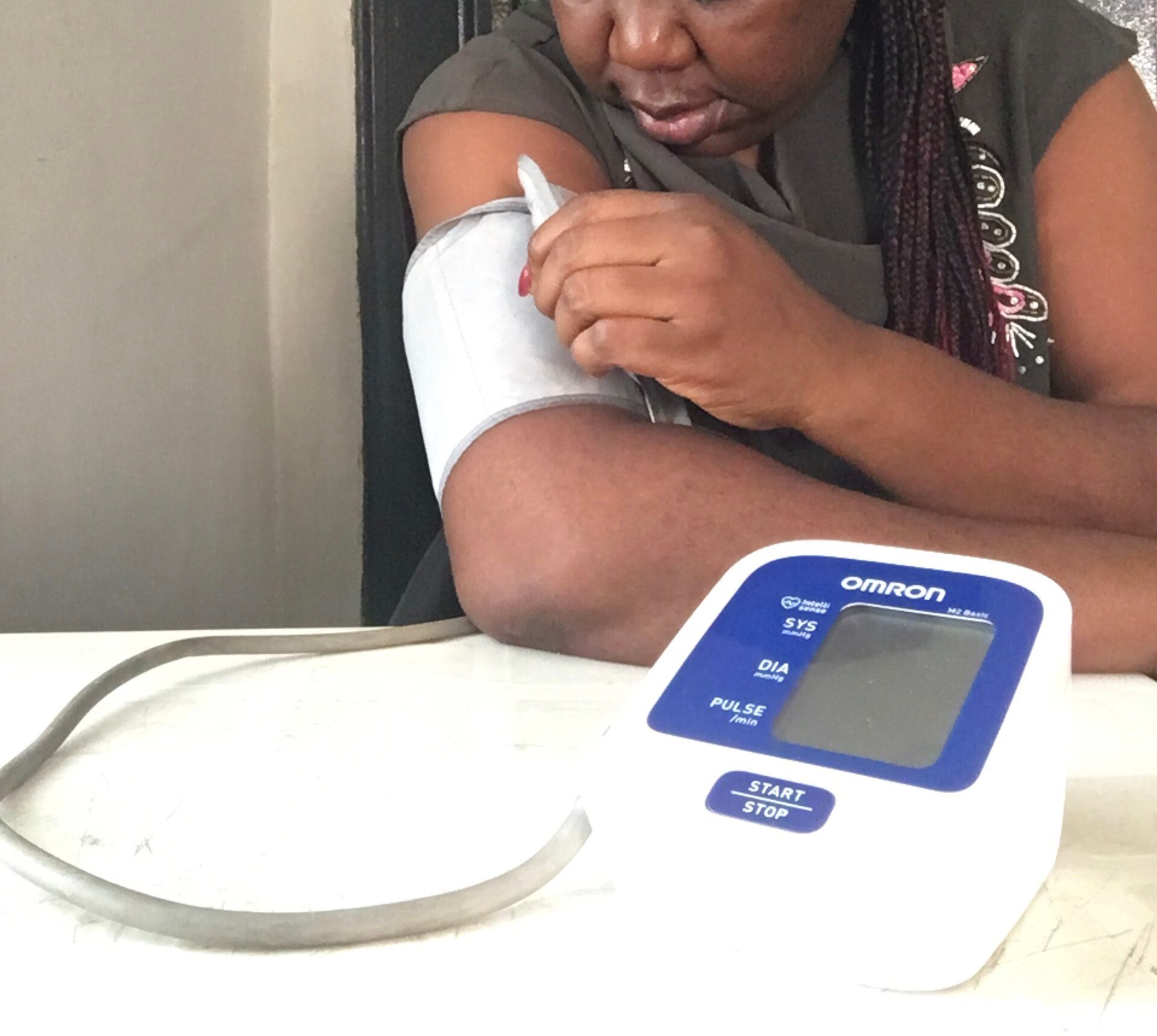
The short answer: use a validated upper-arm monitor with a cuff that fits. Avoid caffeine, exercise and smoking for 30 minutes, empty your bladder, then sit quietly for 5 minutes. Sit with your back supported, feet flat and arm resting at heart height, with the cuff on bare skin. Stay still and quiet, and take two readings a minute apart.
Home readings can tell your doctor a lot, but only if they’re taken the same careful way each time. Here are the steps official health guidance recommends.
1. Start with the right monitor
- An automatic upper-arm monitor is the type usually recommended. Wrist and finger devices are easier to position wrongly and are generally less reliable.
- Choose a validated monitor. In the US, validatebp.org lists monitors that have passed independent accuracy checks.
- Get a cuff that fits your arm. A cuff that is too small or too large is one of the most common reasons a home reading comes out wrong.
2. Get ready
- For 30 minutes before: no caffeine, no exercise and no smoking.
- Empty your bladder first.
- Sit quietly for 5 minutes before you start. Readings taken while you’re rushed or stressed often come out high.
3. Sit the right way
- Back supported against a chair.
- Feet flat on the floor, legs uncrossed.
- Arm resting on a table so the cuff is at the level of your heart.
- Cuff on bare skin, not over a sleeve.
- Stay still and don’t talk while the monitor is working. Talking can change the reading.
4. Take more than one reading
A common routine is to take two readings about a minute apart, at the same times each day, often once in the morning and once in the evening. Your doctor may suggest a different schedule, so follow theirs if they give you one.
5. Write every reading down
Monitoring blood pressure at home works best as a routine rather than a one-off.
A single reading is a snapshot. Readings taken the same way over days and weeks show the pattern your doctor needs. Note the date, time and both numbers, plus anything that might have affected the reading, such as “after medication” or “felt stressed”.
BP Record is a free iPhone diary for exactly this: you type in the numbers from your monitor, add a tag for the context, and it places each reading in the published categories and adds it to a chart you can share with your doctor.
If a reading is very high
A reading above 180 systolic or above 120 diastolic needs attention. If you also have chest pain, shortness of breath, weakness, numbness, trouble speaking or vision changes, call your local emergency number now. If you feel fine, rest for five minutes and take it again; if it is still that high, contact your doctor straight away.
Frequently asked questions
What is the best way to measure blood pressure at home?
Use a validated automatic monitor with an upper-arm cuff that fits your arm. Rest for five minutes first, sit with your back supported and feet flat, rest your arm at heart height, and put the cuff on bare skin.
Should I avoid coffee before a blood pressure reading?
Yes. Official guidance suggests avoiding caffeine, exercise and smoking for 30 minutes before taking a reading.
How many readings should I take?
A common approach is two readings a minute apart, at the same times each day, often in the morning and evening. Your doctor may ask for a different routine.
Are wrist blood pressure monitors accurate?
Upper-arm monitors are generally recommended. Wrist and finger devices are easier to position wrongly and are generally less reliable.
Can my iPhone measure my blood pressure?
No. An iPhone can’t measure blood pressure. You need a blood pressure monitor (a cuff). Apps like BP Record let you keep a record of the readings your monitor shows.
Sources
- MedlinePlus — Blood pressure measurement
- MedlinePlus — Measuring blood pressure
- MedlinePlus — High blood pressure
- NHLBI (NIH) — High blood pressure symptoms and diagnosis
- American Heart Association — Monitoring your blood pressure at home
- Wikipedia — Blood pressure measurement
- Wikipedia — Sphygmomanometer
This guide is general information, not medical advice, and isn’t reviewed by a doctor. Its facts come from the sources above. Always consult a licensed medical professional about your health. How we write our guides · Disclaimer.