What Your Resting Heart Rate Tells You
Always consult a licensed medical professional about your health.
The short answer: MedlinePlus gives 60 to 100 beats per minute as the usual resting heart rate for adults. Well-trained athletes can sit lower, sometimes in the 40s. Caffeine, stress, dehydration, illness and poor sleep can all push it up.
Your resting heart rate, or pulse at rest, is one of the simplest numbers you can track. Here’s how official sources describe it.
The usual range
- Adults: 60 to 100 beats per minute at rest. Children have faster normal rates; see normal resting heart rate by age.
- Well-trained people often sit lower, because a stronger heart moves more blood with each beat. Endurance athletes can be in the 40s.
What moves it
Everyday things change your heart rate, including:
- caffeine (the FDA describes how much is generally considered safe for adults)
- stress
- dehydration
- illness
- poor sleep
Heart rate also varies naturally through the day, so a reading after climbing stairs and a reading after waking up aren’t comparable.
Compare like with like
To see a real trend, take readings in the same conditions: for example, sitting still at the same time each morning. Then compare morning readings with other morning readings.
A slowly changing resting heart rate is common. A sudden change that lasts is worth mentioning to your doctor.
Checking it
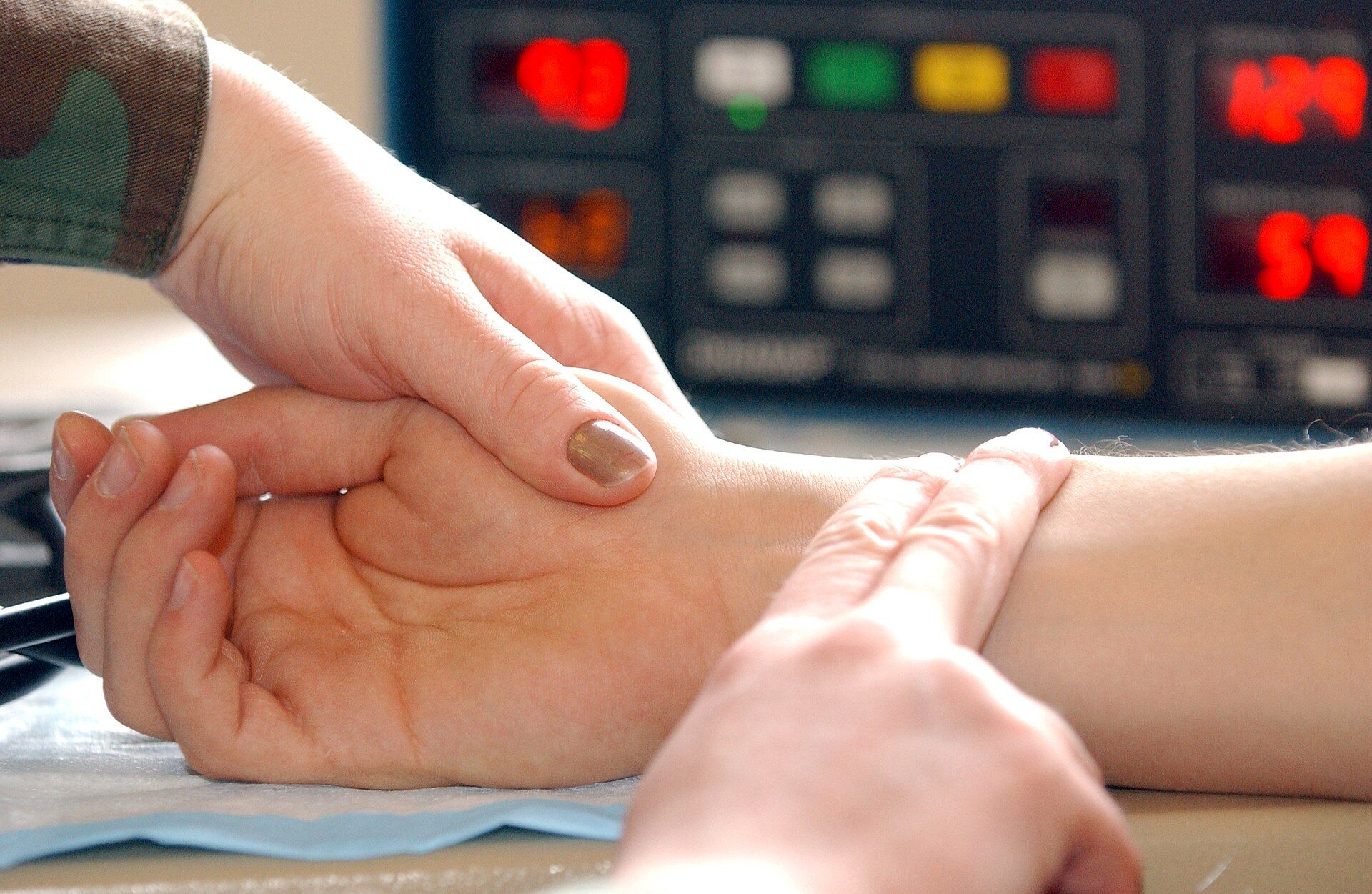
You can count your pulse at your wrist or neck for 30 seconds and double it (the by-age guide shows where to press), use a watch or monitor, or use an app. BP Record can check your heart rate with your iPhone’s camera as a wellness estimate (it isn’t a medical measurement), or you can type in a reading from your watch or monitor. Each reading goes on a chart so you can watch the trend rather than any single number.
Frequently asked questions
What is a normal resting heart rate for adults?
MedlinePlus gives 60 to 100 beats per minute as the usual resting range for adults. Well-trained athletes can be lower, sometimes in the 40s.
What raises your resting heart rate?
Common everyday causes include caffeine, stress, dehydration, illness and poor sleep. Heart rate also changes through the day.
When should I check my resting heart rate?
Compare like with like, for example a reading taken at the same time each morning while sitting still. A sudden change that lasts is worth mentioning to your doctor.
Sources
This guide is general information, not medical advice, and isn’t reviewed by a doctor. Its facts come from the sources above. Always consult a licensed medical professional about your health. How we write our guides · Disclaimer.