What Is High Blood Pressure?
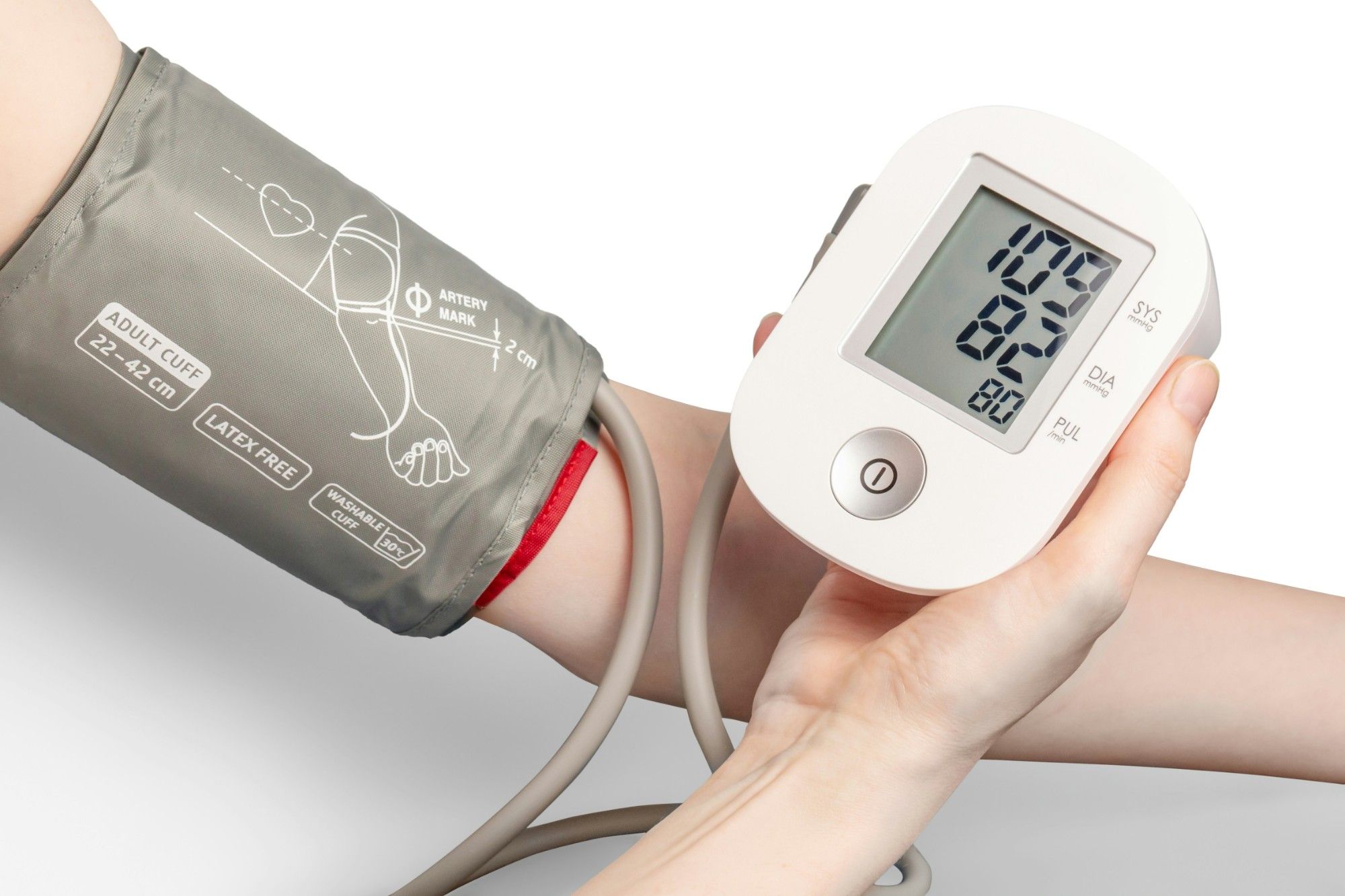
The short answer: high blood pressure, also called hypertension, means the force of blood against your artery walls stays higher than it should. NHLBI says blood pressure is high when readings are consistently 130 or higher systolic, or 80 or higher diastolic (mm Hg). It usually has no symptoms, so the only way to know is to check.
What blood pressure is
Each time your heart beats, it pushes blood through your arteries. Blood pressure is the force of that blood against the artery walls. A reading has two numbers: the top one (systolic) is the pressure when your heart beats, and the bottom one (diastolic) is the pressure between beats. Our guide to systolic and diastolic blood pressure explains both.
The numbers that count as high
These are the published US categories, as listed by NHLBI and MedlinePlus:
| Category | Systolic (top) | Diastolic (bottom) | |
|---|---|---|---|
| Normal | Under 120 | and | Under 80 |
| Elevated | 120–129 | and | Under 80 |
| High blood pressure, stage 1 | 130–139 | or | 80–89 |
| High blood pressure, stage 2 | 140 or higher | or | 90 or higher |
| Hypertensive crisis | Higher than 180 | or | Higher than 120 |
Two points from the official definitions:
- “Consistently” matters. NHLBI describes blood pressure as high when readings are consistently in the high range. One reading on its own isn’t a diagnosis.
- Either number can do it. Because the categories use “or”, a high top number or a high bottom number is enough.
You can check any reading in our blood pressure checker.
Why it often goes unnoticed
MedlinePlus says high blood pressure usually has no symptoms. NHLBI notes that 1 in 3 US adults with high blood pressure aren’t aware they have it, and recommends having your blood pressure checked at least once a year. Regular checks, including readings at home, are how it gets noticed.
Why it matters
NHLBI and MedlinePlus explain that, over time, high blood pressure can damage blood vessels and organs and raise the risk of problems such as heart attack, heart failure, stroke and kidney disease. What that means for you, and what to do about it, is a conversation for you and your doctor.
When it’s an emergency
A reading higher than 180 systolic or higher than 120 diastolic is in the hypertensive crisis range. NHLBI says to contact your provider immediately. If you also have chest pain, shortness of breath, back pain, numbness or weakness, a change in vision, or trouble speaking, call your local emergency number now.
Keeping track
Because high blood pressure is usually silent, a regular record of readings is what shows the pattern. Our guide on how to take an accurate reading at home covers the steps, and BP Record keeps every reading from your own monitor in one place, placed in these categories and charted for your doctor.
Always consult a licensed medical professional about your health.
Frequently asked questions
What blood pressure is considered high?
NHLBI says blood pressure is high when readings are consistently 130 mm Hg or higher systolic, or 80 mm Hg or higher diastolic.
Does high blood pressure have symptoms?
Usually not. MedlinePlus says high blood pressure usually has no symptoms, so the only way to know is to have your blood pressure checked.
What is the difference between high blood pressure and hypertension?
They are the same thing. Hypertension is the medical name for high blood pressure.
When is high blood pressure an emergency?
A reading higher than 180 systolic or higher than 120 diastolic is in the hypertensive crisis range. NHLBI says to contact your provider immediately. With symptoms such as chest pain, shortness of breath, weakness, numbness or trouble speaking, call your local emergency number.
Sources
- NHLBI (NIH) — High blood pressure
- MedlinePlus — High blood pressure
- MedlinePlus — High blood pressure in adults
- American Heart Association — Understanding blood pressure readings
- American Heart Association — What is high blood pressure?
- Wikipedia — Hypertension
- Photo: Mockup Graphics (Unsplash License, Unsplash)
This guide is general information, not medical advice, and isn’t reviewed by a doctor. Its facts come from the sources above. Always consult a licensed medical professional about your health. How we write our guides · Disclaimer.