Blood Pressure by Age: What’s Normal?
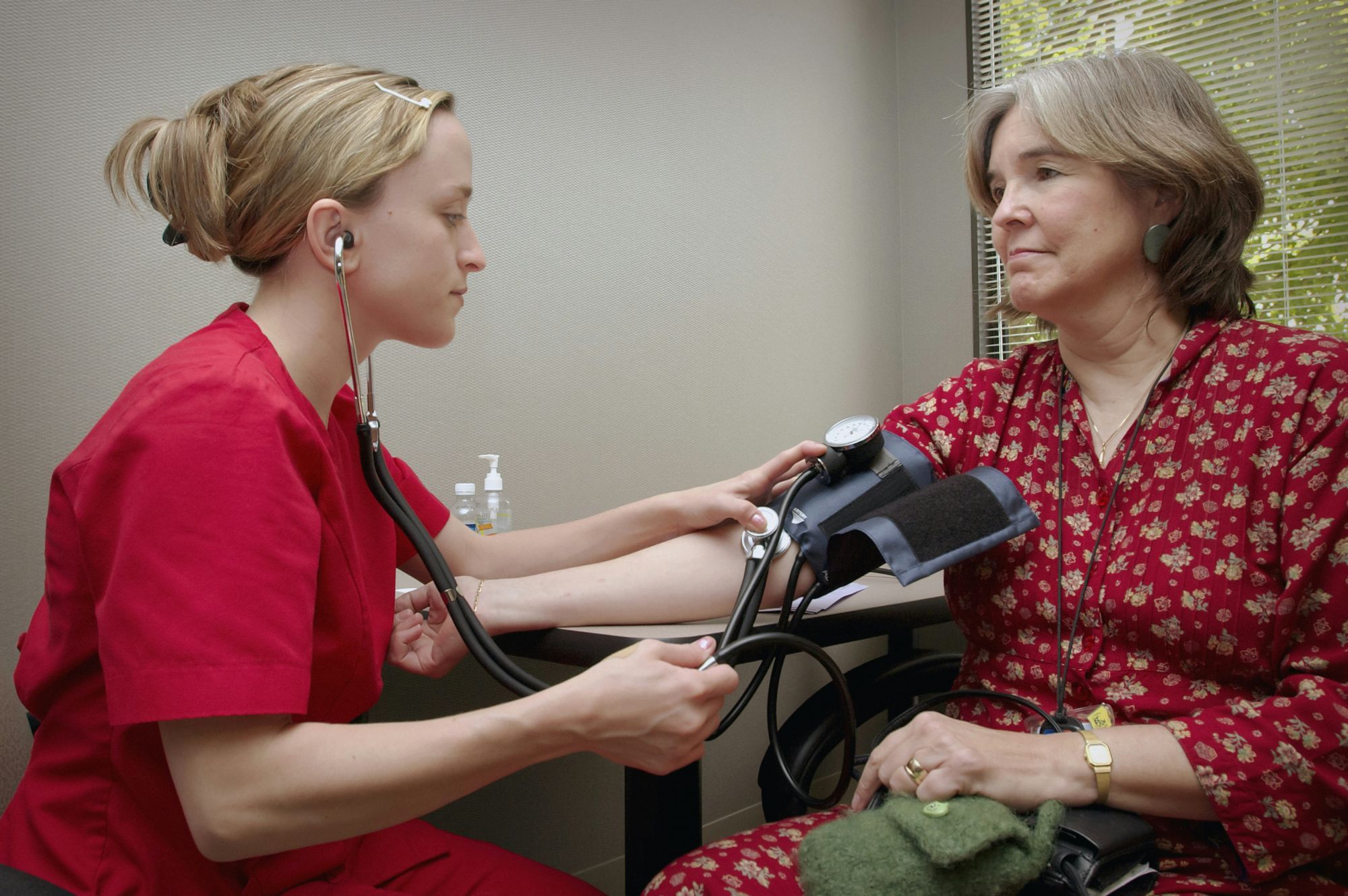
The short answer: official US sources use one set of categories for all adults. Normal is a top number (systolic) below 120 and a bottom number (diastolic) below 80 mm Hg, at any adult age. Blood pressure tends to rise with age, but the published chart doesn’t change. Children are judged differently, by a doctor.
The chart for adults
People often search for a blood pressure chart for each age group. The published US categories don’t have one. They are written for adults, and the same numbers apply from age 18 onwards:
| Category | Systolic (top) | Diastolic (bottom) | |
|---|---|---|---|
| Normal | Under 120 | and | Under 80 |
| Elevated | 120–129 | and | Under 80 |
| High, stage 1 | 130–139 | or | 80–89 |
| High, stage 2 | 140 or higher | or | 90 or higher |
| Hypertensive crisis | Higher than 180 | or | Higher than 120 |
You can type any reading into our blood pressure checker to see which row it falls in. Our guide Is my blood pressure in a normal range? explains each category.
Why numbers tend to rise with age
NHLBI says that blood pressure tends to rise with age, because blood vessels naturally thicken and stiffen over time, which raises the risk of high blood pressure.
The American Heart Association adds that the top number usually goes up as people get older because:
- large arteries become stiffer
- there is more plaque buildup over time
- heart and blood vessel diseases become more common
The American Heart Association also says the systolic number tells more about the risk of heart disease for people over 50. That’s one reason doctors pay close attention to it. Our guide on systolic and diastolic blood pressure explains both numbers.
“Average” isn’t the same as “healthy”
Official sources publish categories, not charts of average readings by age. And an average wouldn’t tell you what is healthy. NHLBI notes that half of all American adults have high blood pressure, so a typical reading for an age group can sit above the healthy range.
Men and women
The published chart has one set of numbers for adults, not separate ones for men and women. NHLBI does note that men are more likely than women to develop high blood pressure throughout middle age.
Children are different
The adult chart is not meant for children. MedlinePlus says that if a child is younger than 13, the provider compares their blood pressure with what is common for children of the same age, sex and height. If you’re worried about a child’s reading, ask their doctor.
One reading doesn’t decide
MedlinePlus explains that blood pressure can go up and down, and that a provider will usually diagnose high blood pressure only after two or more high readings on different days. Our guide on taking an accurate reading at home covers the steps official guidance recommends, and what is high blood pressure? explains the stages.
Keeping track over the years
Because blood pressure tends to change over time, a record of readings taken the same way is more useful than any single number. BP Record keeps the readings from your own monitor, places each in the published categories and charts them, ready to share with your doctor.
Always consult a licensed medical professional about your health.
Frequently asked questions
What is normal blood pressure by age?
In the published US categories, normal blood pressure for an adult is below 120 over 80 mm Hg. There is one chart for adults, not a separate chart for each age.
Does blood pressure go up with age?
NHLBI says blood pressure tends to rise with age because blood vessels naturally thicken and stiffen over time. The American Heart Association says the top number, systolic, usually goes up as large arteries become stiffer.
What is average blood pressure?
Official health sources publish categories, not averages by age. NHLBI notes that half of all American adults have high blood pressure, so what is common is not the same as what is healthy.
What is normal blood pressure for a child?
MedlinePlus says that for a child younger than 13, a provider compares the readings with what is common for children of the same age, sex and height. The adult chart does not apply, so ask the child’s doctor.
Sources
- MedlinePlus — Measuring blood pressure
- NHLBI (NIH) — High blood pressure
- NHLBI (NIH) — High blood pressure causes and risk factors
- MedlinePlus — High blood pressure
- American Heart Association — Understanding blood pressure readings
- Wikipedia — Blood pressure
- Wikipedia — Hypertension
- Photo: CDC (Unsplash License, Unsplash)
This guide is general information, not medical advice, and isn’t reviewed by a doctor. Its facts come from the sources above. Always consult a licensed medical professional about your health. How we write our guides · Disclaimer.